 ONLINE
06 · MARTIAL ARTS
Martial Arts
Every art has an origin and a lineage, and the story of the people who carried it.
Martial arts in Kangho Online are not a list of techniques differing only in name and effect. Famous fist and sword arts each have an origin and a lineage, and the ages and people through which they made their name carry on as story.
One art excels at collapsing auras; another is strong at ending a contest in a brief moment. The background and philosophy an art carries reach into how it actually fights.
拳 · 劍 · 刀 · 槍
Fist · Sword · Sabre · Spear
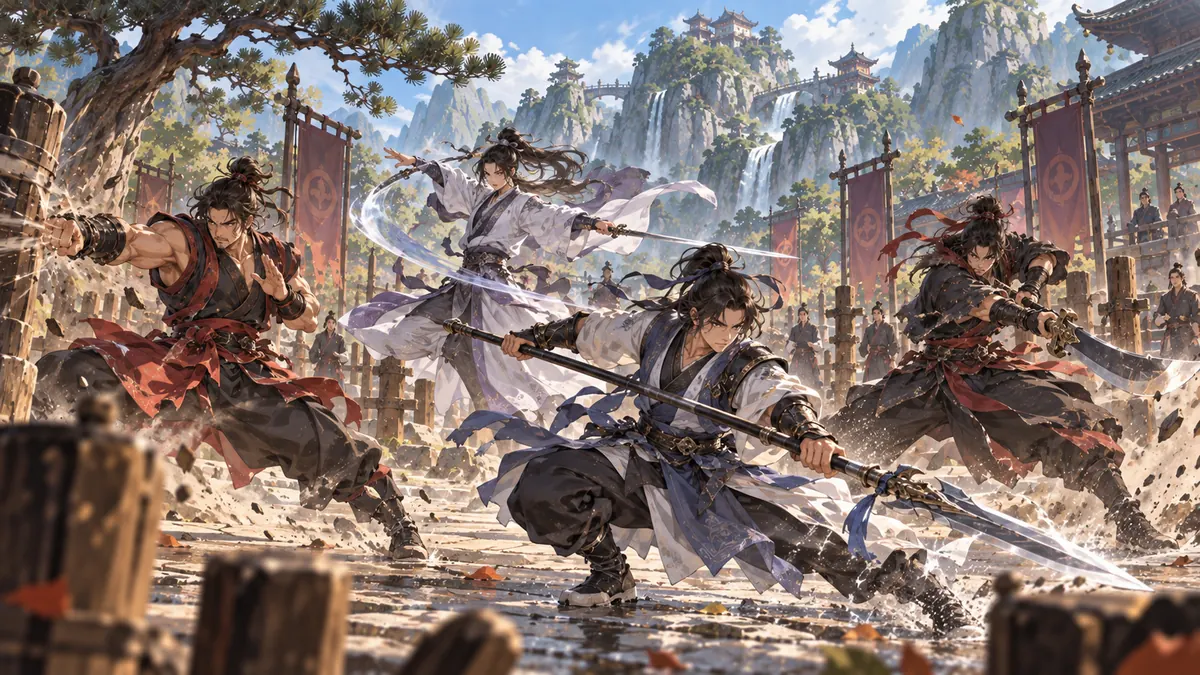
Attacking arts centre on fist, sword, sabre and spear. Character is not decided by a weapon's attack speed or reach alone. There are quick sabre arts and heavy sword arts; it is an art's own philosophy and rhythm that makes the character of the fight.
Many martial arts are handed down in the jianghu — attack arts of fist, sword, sabre and spear, inner arts and qinggong alike — and among them are forbidden inner arts bound by taboo and the sects' transcendent arts.
拳
Fist
Martial learning spanning the empty hand and the palm. It holds whole-body power, close pressure, internal injury and a variety of strikes.
劍
Sword
A weapon line where broad philosophies coexist — linking and variation, breaking forms, sword intent. The same sword shows entirely different flows from sect to sect.
刀
Sabre
Centred on the weight and pressure of the cut and a decisive blade. Styles range from strong aura-breaking and straight-line attacks to swift, quick blades.
槍
Spear
A polearm line built on long reach, thrusting and distance control. It is strong at single-point penetration, denying entry, and combat combined with footwork.
招式
One form does not always strike only once
Within a single motion, two, three or more strikes may follow.
MASTERY
Forms and mastery
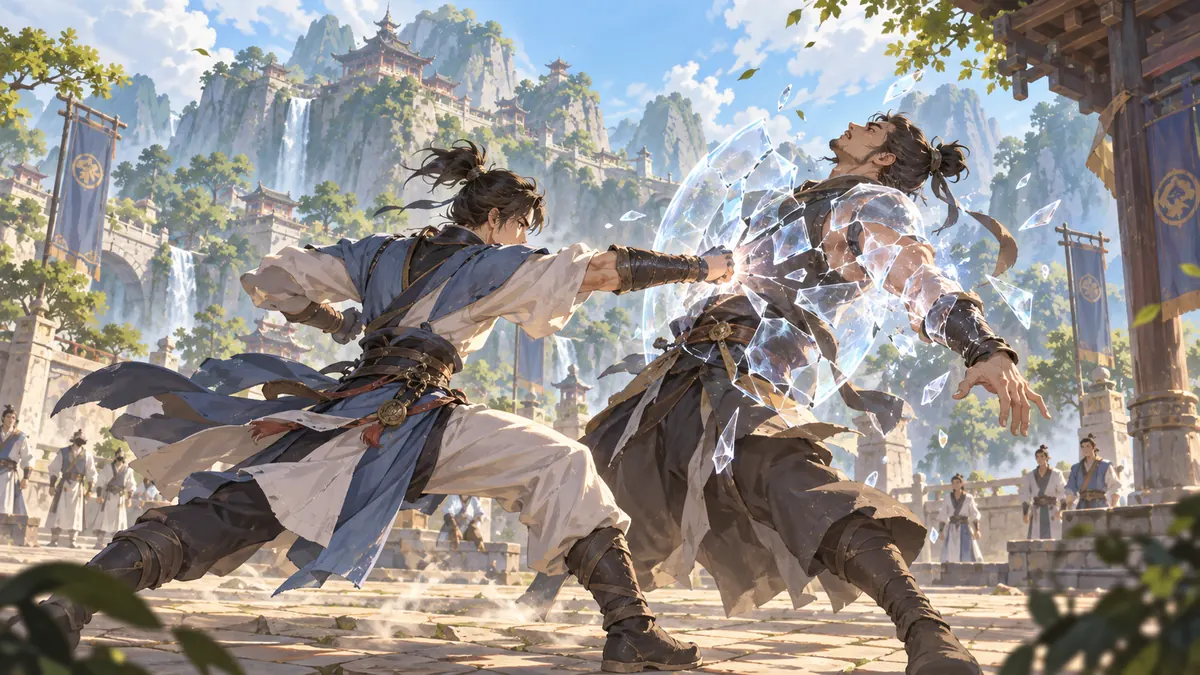
A single attack art has several forms as its basic flow. As mastery rises, the gaps and recovery between forms shrink, less inner force is wasted, and the art's own deeper principle is wielded with greater refinement.
Exertion tier 1 to tier 12
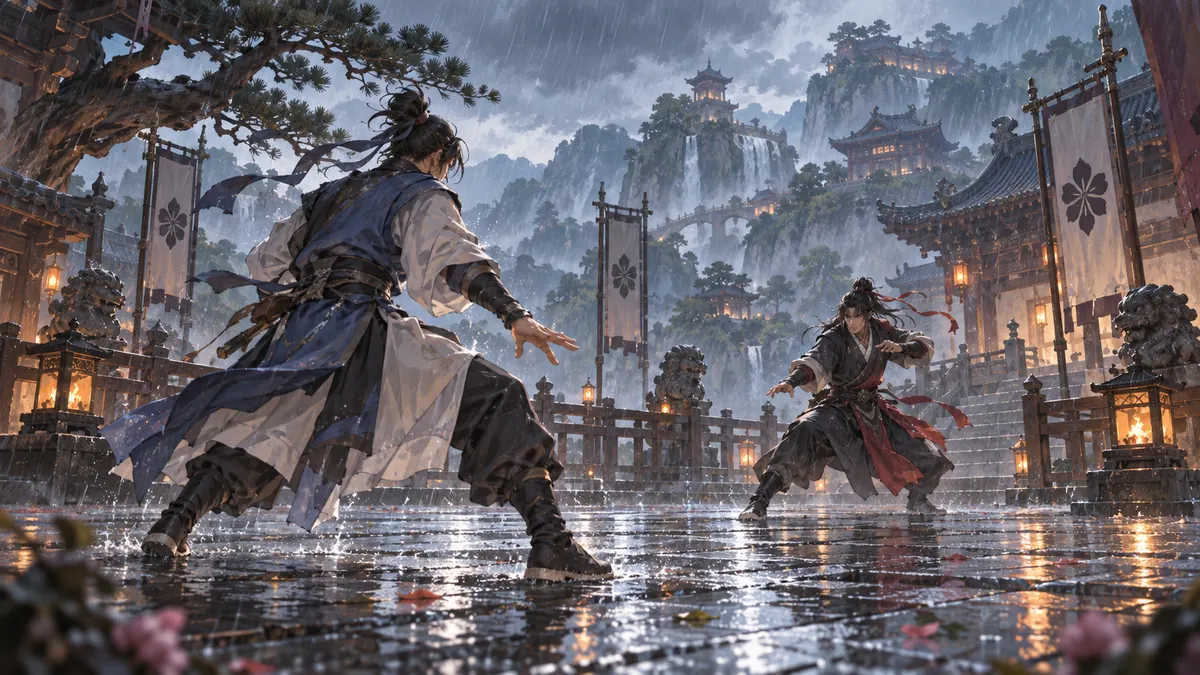
Even with the same art you choose how much exertion to put behind it. Low exertion suits probing and managing inner force; high exertion creates far greater damage and aura-breaking, but the cost in inner force climbs steeply.
So a true master can hide their full strength from a weaker opponent. There is no guarantee that the one stroke you saw is all that person has.
氣
Inner force and the five phases
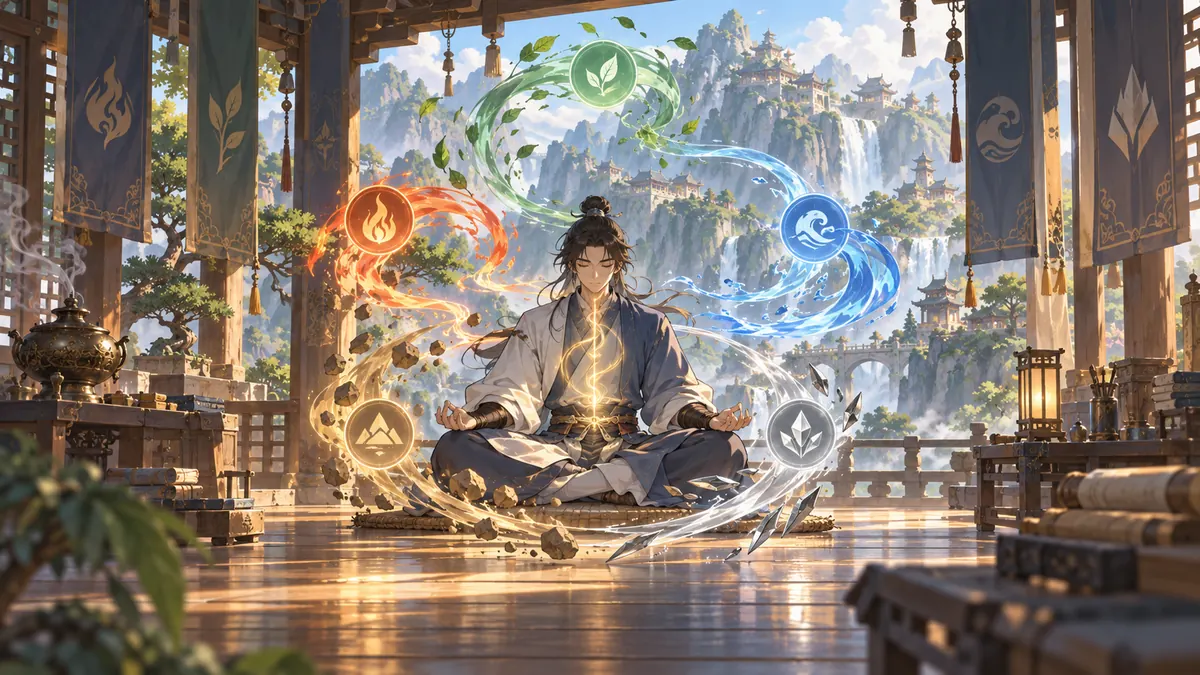
An inner art decides how the energy within the body is made and circulated. They differ in yin and yang, in the nature of wood, fire, earth, metal and water, in the strain and purity they bring to the meridians, and in whether the circulation is aggressive or steady.
魔功
Demonic arts
are not evil arts
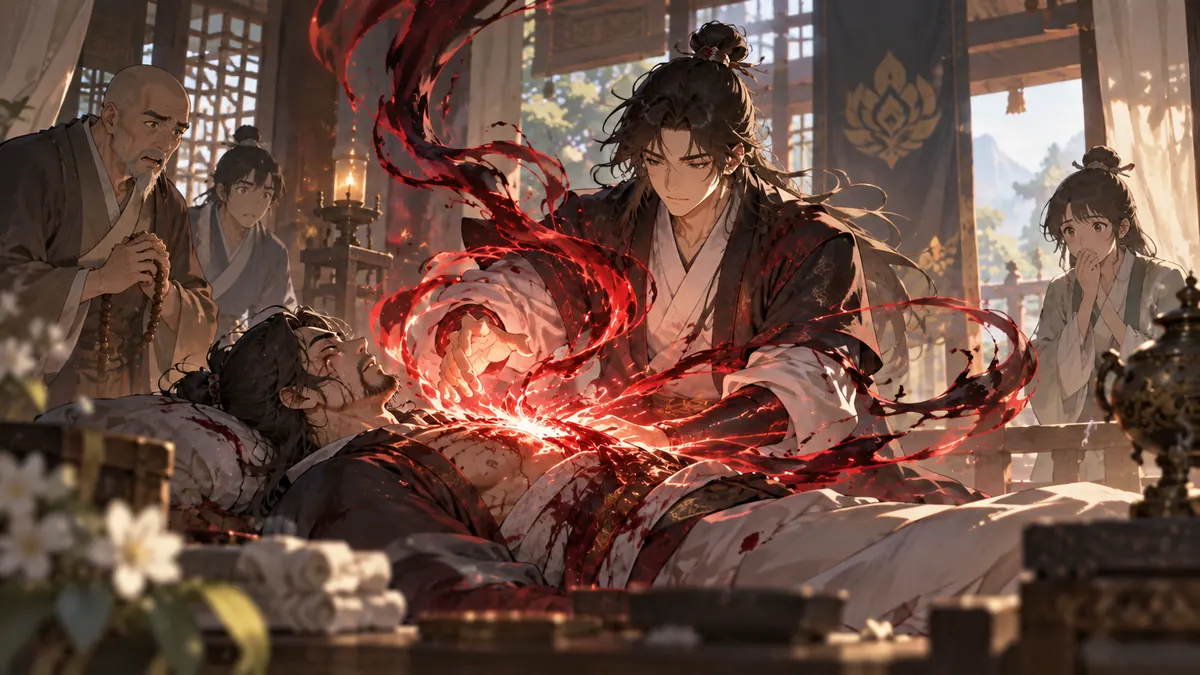
Blood qi, demonic qi, reversed meridians and meridian-stripping are dangerous, but not evil in themselves. Stripping the meridians to pass a dying master's power to a disciple and stripping a living person of their whole life by force are the same technique with entirely different meanings.
The good or evil of an art is decided not by its name but by the choice of the person using it.A name is not a verdict